Understanding the Benefits of Sports Massage at Home
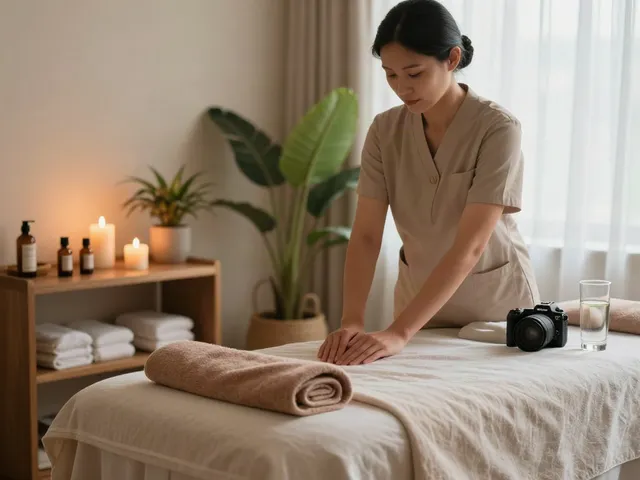
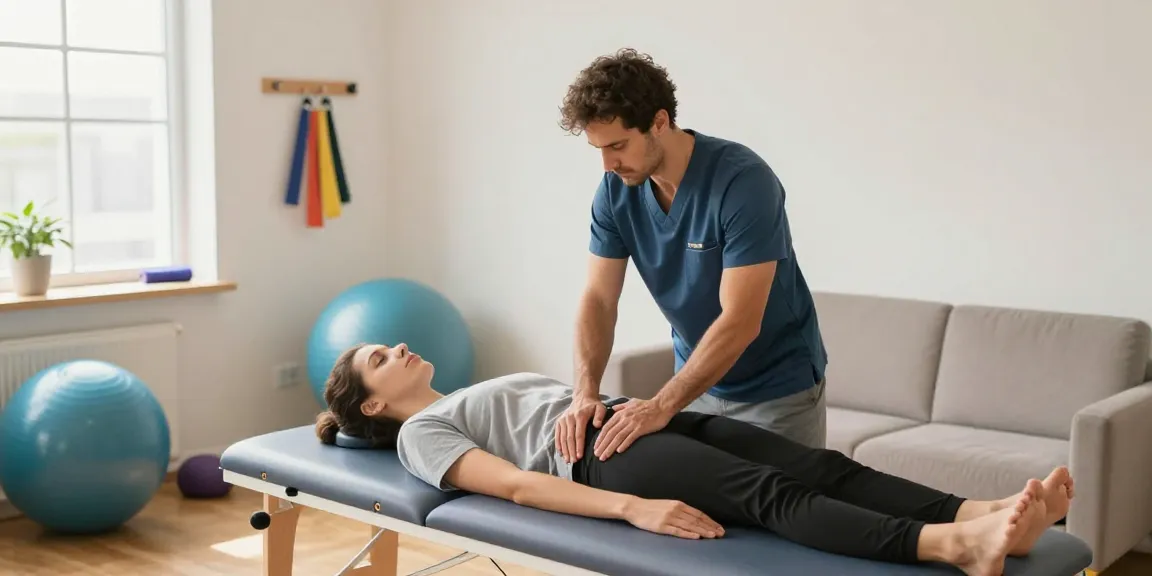
For athletes and active individuals, maintaining peak performance is essential, and one promising method to support this goal is through sports massage at home. This tailored approach not only offers convenience but allows for personalized care, enabling effective recovery and performance enhancement in the comfort of your home.
What is Sports Massage?
Sports massage is a specialized form of massage therapy designed to aid in the prevention and treatment of injuries while enhancing athletic performance. It encompasses various techniques, including deep tissue massage, trigger point therapy, and stretching, all aimed at increasing blood flow, reducing muscle tension, and promoting relaxation. This approach can be adapted to meet the specific needs of individuals, depending on their activity level, athletic discipline, and personal goals.
Key Benefits for Active Individuals
Engaging in regular sports massage can provide numerous benefits for active individuals, such as:
- Reduced Muscle Tension: Sports massage can alleviate tightness and stiffness in muscles, allowing for improved flexibility and range of motion.
- Enhanced Circulation: Improved blood flow assists in delivering essential nutrients to muscles while aiding in the removal of metabolic waste.
- Injury Prevention: Regular sessions can help identify and treat potential issues before they develop into more serious injuries.
- Pain Relief: Sports massage can effectively manage chronic pain, offering relief from common concerns like back pain or tendonitis.
- Improved Recovery: Post-event massage can accelerate recovery by reducing soreness and promoting relaxation.
How It Supports Recovery and Performance
Sports massage can significantly support your recovery and enhance overall performance by focusing on your body’s specific needs. Therapists employ various techniques to release muscle knots, improve flexibility, and promote pain-free movement. Integrating regular sports massage into your routine can lead to quicker recovery times after intense workouts or events, minimizing downtime and enabling you to maintain your training schedule.
How Mobile Physiotherapy Enhances Wellness
Mobile physiotherapy describes a healthcare service that brings professional treatment directly to the patient’s home or chosen location, making it exceptionally convenient for busy lifestyles. For those exploring the benefits of sports massage at home, mobile physiotherapy can seamlessly integrate this service into your health regimen, enhancing wellness without the need for travel.
Flexible Scheduling for Busy Lives
One of the most appealing aspects of mobile physiotherapy is its flexibility. Patients can arrange appointments at times that are most convenient for them, be it early morning or after work. This flexibility ensures that patients can prioritize their health without compromising their daily responsibilities.
Personalized Care Plans for Individual Needs
Mobile physiotherapists develop tailored care plans that consider each patient's unique medical history and lifestyle requirements. As a result, the physical therapy you receive is personalized, focusing on your specific needs, goals, and preferences. This patient-centered approach paves the way for more effective outcomes and encourages patient engagement in their recovery process.
Innovative Technologies in Home Care
Advancements in technology have made it possible for mobile physiotherapy providers to incorporate innovative techniques into their practice. This includes evidence-based assessments, therapeutic modalities, and remote monitoring tools that enhance the efficiency and effectiveness of care delivery.
What to Expect During Your Home Sports Massage
When scheduling a sports massage at home, it's important to know what to expect. The initial session often involves a comprehensive assessment of your physical condition, preferences, and areas of concern. This helps build a foundation for future treatments.
The Initial Consultation Process
Your therapist will typically begin with a consultation, discussing your health history, activity levels, and specific goals. This initial dialogue is critical in shaping a personalized massage plan that caters to your needs.
Types of Techniques Used in Sports Massage
During the massage, therapists may employ various techniques tailored to your unique situation. Common techniques include:
- Deep Tissue Massage: Targeting deeper muscle layers to relieve severe tension and release muscle knots.
- Trigger Point Therapy: Applying pressure to specific points in the muscle to alleviate pain and improve function.
- Stretching: Incorporating passive stretching to enhance flexibility and range of motion.
Feedback and Ongoing Treatment Assessment
A critical part of effective sports massage is continuous feedback. Therapists will typically check in throughout the session to ensure the pressure and techniques employed meet your comfort levels and needs. Post-session, discussing your feelings and trajectories can help adjust future treatments for optimal outcomes.
Integrating Sports Massage into Your Fitness Routine
Integrating sports massage into your fitness routine can significantly amplify your training efforts and enhance overall wellness. Understanding how to effectively schedule these sessions and incorporate them alongside rehabilitation and fitness strategies is crucial.
Timing Your Massage Around Training Sessions
To gain maximum benefits, consider planning your sports massage in relation to your training sessions. For example, a pre-event massage can prep your muscles and improve performance, while a post-event massage can help your body recover faster.
Combining Sports Massage with Physical Therapy
If you're recovering from an injury, integrating sports massage with physical therapy can accelerate healing and restore optimal function. Coordination between your massage therapist and physiotherapist can provide a comprehensive approach to rehabilitation.
Preventive Health Strategies for Athletes
To maintain performance and prevent injuries, consider adopting a proactive health strategy that includes regular sports massage, strength training, adequate hydration, and proper nutrition. This multifaceted approach not only supports your physical health but also contributes positively to your mental well-being.
FAQs about Sports Massage at Home
How Often Should I Schedule a Sports Massage?
The frequency of sports massage depends on several factors, including training intensity, competition schedule, and individual recovery needs. Generally, athletes might benefit from sessions weekly or biweekly during peak training periods, while others may need less frequent massages.
Is Sports Massage Beneficial for Non-Athletes?
Absolutely! Sports massage can benefit anyone by helping with muscle tension, chronic pain, and overall relaxation. Even those who simply lead an active lifestyle can reap significant rewards from regular sessions.
What Qualifications Should My Therapist Have?
When seeking a sports massage therapist, it's essential to ensure they are qualified and experienced. For more information, sports massage at home offers valuable insights. Look for certifications from recognized organizations and inquire about their experience, especially in sports-related cases, to ensure you receive high-quality care.