
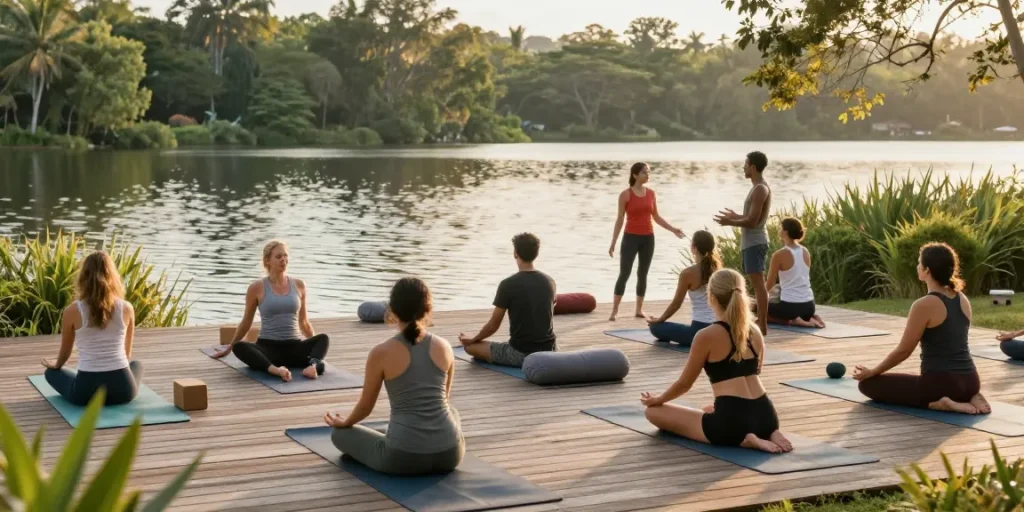

Understanding the Yoga Synergy Approach
The Yoga Synergy approach represents a unique blend of traditional and modern yoga practices that prioritizes safety, intelligence, and accessibility. Developed by the innovative teacher-trainer Stefan Camilleri, this method stems from over a decade of experience and extensive training, incorporating insights from disciplines such as physiotherapy and functional movement. By focusing on intelligent sequencing and applied anatomy, this approach makes yoga approachable for practitioners of all levels. As you delve deeper into this dynamic practice, https://stefancamilleriyoga.com offers comprehensive resources and guidance for those interested in enhancing their yoga journey.
What Makes Yoga Synergy Unique?
Yoga Synergy stands out due to its incorporation of functional movement principles and its emphasis on non-violent communication. Traditional yoga practices often lean heavily on a set sequence of poses; however, Yoga Synergy encourages practitioners to connect with their bodies in a way that feels natural and intuitive. This unique perspective allows for a more individualized practice, catering to the specific needs of each student. By promoting awareness of body mechanics and breath, Yoga Synergy helps students build strength, flexibility, and mindfulness simultaneously.
Core Principles of Intelligent Movement
The foundation of Yoga Synergy is built upon several core principles of intelligent movement. These principles include:
- Functional Alignment: Understanding how to align the body safely and effectively during movement ensures that practitioners can avoid injury.
- Mindful Breathing: Utilizing breath as a guide enhances awareness and promotes a deeper connection between mind and body.
- Sensory Awareness: Being present and attuned to bodily sensations allows for a more profound and rewarding practice.
By integrating these principles, students learn to move in ways that are both safe and therapeutically beneficial, which is essential in today’s fast-paced world.
Benefits of Non-Violent Communication in Yoga
Non-violent communication (NVC) is a transformative tool used in Yoga Synergy to foster compassionate interactions among practitioners. This approach helps create a nurturing environment where students feel safe to express themselves. The benefits of incorporating NVC in yoga include:
- Enhanced Connection: Cultivating empathy and understanding improves relationships within the yoga community.
- Decreased Anxiety: A supportive atmosphere reduces performance anxiety and encourages individual expression.
- Improved Learning: Open communication fosters a better understanding of movements and techniques, allowing for enhanced learning experiences.
Ultimately, NVC enriches the overall experience of yoga, turning it into a practice of self-discovery and authentic connection.
Preparing for Your 200-Hour Yoga Teacher Training
Participating in a yoga teacher training is an enriching experience that can profoundly impact your personal and professional development. The 200-hour Yoga Synergy teacher training program, offered at Lanka Yoga in Sri Lanka, is designed for both beginners and advanced practitioners seeking to deepen their practice and share their knowledge with others.
Essential Requirements for Enrollment
To enroll in the 200-hour training program, you typically need to meet several key prerequisites, which may include:
- A minimum of six months of consistent yoga practice.
- A basic understanding of yoga terminology and poses.
- A genuine eagerness to learn and grow as a practitioner and potential teacher.
Meeting these requirements ensures that participants are ready to fully engage in the immersive experience that the training offers.
What to Expect in the Training Experience
The Yoga Synergy 200-hour program is structured over three weeks and provides a comprehensive curriculum covering various essential topics, including:
- Asana Practice: Exploration of foundational and advanced poses.
- Practical Anatomy: Learning how the body works and how to teach safe practices to students.
- Sequencing: Creating effective class structures and understanding the flow of movement.
- Teaching Methodology: Development of effective communication skills and teaching techniques.
This holistic training approach not only prepares you to teach yoga but also to embody its principles in everyday life.
How to Choose the Right Program for You
Selecting the right yoga teacher training program is crucial for ensuring a positive and fulfilling experience. Here are some factors to consider:
- Alignment with Your Goals: Choose a program that resonates with your personal aspirations in yoga.
- Instructor Credentials: Research the background and teaching style of your instructors to ensure their approach aligns with your learning style.
- Location and Environment: Consider the setting of the training. A tranquil, nature-infused environment like Lanka Yoga can significantly enhance your experience.
- Reviews and Testimonials: Look for feedback from past participants to gauge the quality and effectiveness of the training.
By taking these factors into account, you can make an informed decision that sets you up for success in your yoga journey.
Integrating Online Courses into Your Yoga Practice
In today’s digital age, online yoga courses provide flexibility and accessibility, allowing practitioners to learn at their own pace. Stefan Camilleri’s online course ‘A New Yoga’ is designed for individuals looking to expand their knowledge of the Yoga Synergy approach, regardless of their current skill level.
Advantages of Self-Paced Learning
Self-paced online courses offer numerous benefits, including:
- Flexibility: Learn from anywhere and at your own schedule, making it easier to balance with personal or professional commitments.
- Personalized Learning: Focus on areas where you seek improvement or additional knowledge.
- Access to Resources: Enjoy lifetime access to course materials, allowing for continuous learning.
These advantages make online courses an ideal complement to in-person training and personal practice.
Using the ‘A New Yoga’ Course Effectively
To make the most out of the ‘A New Yoga’ course, consider the following tips:
- Create a Dedicated Study Space: Find a comfortable, quiet area for your practice and study sessions.
- Set Realistic Goals: Determine what skills or knowledge you want to achieve within a specific timeframe.
- Engage with the Material: Take notes, participate in discussions, and reflect on your learning to deepen your understanding.
Using these strategies will enhance your learning experience and help you integrate new knowledge into your existing practice.
Maintaining Progress Between Sessions
To ensure continuous growth in your yoga practice, consider these strategies for maintaining momentum between training sessions:
- Practice Regularly: Dedicate time each week to practice the sequences and principles learned in your course.
- Join Study Groups: Connect with fellow students or local practitioners to share experiences and insights.
- Stay Informed: Follow yoga publications, podcasts, and social media accounts to keep current with the latest trends and techniques.
By actively engaging with your practice, you’ll reinforce your learning and build confidence as a practitioner and teacher.
Connecting with the Global Yoga Community
Engaging with the broader yoga community can significantly enrich your yoga journey. After completing a teacher training, leveraging these connections can lead to lasting relationships and opportunities for growth.
Leveraging Connections from Teacher Trainings
Teacher training programs not only enhance your skills but also connect you with a network of like-minded individuals. Here are ways to leverage those connections:
- Networking: Stay in touch with fellow graduates and instructors via social media or professional platforms like LinkedIn.
- Collaborating: Partner with peers on workshops or classes, which can enhance your teaching experience.
- Mentorship: Seek guidance from experienced teachers who can provide valuable insights as you begin your teaching career.
These connections can create a supportive environment that bolsters your journey as a yoga teacher.
Sharing Your Journey on Social Platforms
Documenting your progress and experiences on social media can inspire others and build your personal brand as a yoga teacher. Consider sharing:
- Practice Videos: Showcase your teaching style and techniques to attract students.
- Personal Insights: Share reflections on your learning journey, including challenges and triumphs.
- Community Engagement: Promote local events or classes to foster a sense of connection with your audience.
Consistent sharing enriches your own practice and creates an engaging online presence that resonates with aspiring yogis.
Building a Supportive Network for Future Growth
Creating a supportive network is key to sustaining your yoga practice. Maintain relationships with fellow practitioners and instructors, and consider these strategies to grow your network:
- Attend Workshops and Retreats: Participate in additional training opportunities to deepen your knowledge and meet new practitioners.
- Join Online Communities: Engage in forums and groups dedicated to yoga where you can share experiences and learn from others.
- Offer Your Expertise: As you grow, contribute to the community by leading workshops or mentoring upcoming teachers.
A strong network will not only support your personal growth but also enhance your teaching career.
Future Trends in Yoga Education and Practice
As the yoga landscape evolves, staying informed about emerging trends is crucial for both practitioners and teachers. Understanding these shifts can position you for success in the changing marketplace.
Emerging Techniques in Yoga Instruction
The future of yoga education is likely to witness the integration of new techniques and technologies. Some of these emerging trends include:
- Virtual Reality Yoga: Immersive technology could revolutionize the way practitioners experience classes from home.
- Inclusive Practices: More programs will focus on making yoga accessible to people with varying abilities and backgrounds.
- Mindfulness Integration: The incorporation of mindfulness techniques outside of physical practices will enhance the holistic benefits of yoga.
Being aware of these techniques and adapting your teaching accordingly will keep you ahead in the evolving industry.
Predictions for the Yoga Industry in 2026
By 2026, the yoga industry will likely experience several changes, including:
- Increased Demand for Online Learning: The preference for convenience will lead to greater interest in online courses and virtual classes.
- Greater Focus on Mental Health: More programs will emphasize the mental wellness benefits of yoga, attracting a broader audience.
- Personalized Yoga Experiences: Tailored training programs that cater to individual needs will become more prevalent.
By anticipating these trends, you can strategically position your practice and teaching methods for success in the next decade.
How to Stay Relevant in a Changing Landscape
To remain relevant in the evolving yoga field, consider these strategies:
- Continuous Education: Regularly pursue new certifications and training programs to expand your skill set.
- Stay Current with Research: Follow relevant studies and emerging practices within the yoga community to ensure your teaching is informed and innovative.
- Adapt Your Offerings: Be flexible in your teaching style and course offerings to meet the needs and interests of your students.
Staying proactive in your development will empower you to navigate the future of yoga education successfully.
FAQs
What is the Yoga Synergy method and how does it differ from others?
The Yoga Synergy method is a unique approach that focuses on intelligent movement, integrating principles from functional anatomy and non-violent communication. Unlike traditional methods, this approach encourages practitioners to engage with their bodies intuitively, promoting safe and therapeutic practices.
How can I prepare for an intensive yoga teacher training?
Preparation for a yoga teacher training can include enhancing your physical practice, studying relevant anatomy and philosophy, and engaging in mindfulness practices to cultivate a conducive learning environment. Additionally, you may want to connect with fellow students or instructors to gain insights into their experiences.
What are the career opportunities after completing my training?
Completing a yoga teacher training opens various career paths, such as teaching in studios, offering private lessons, leading workshops, or creating online courses. Additionally, you can pursue roles in wellness organizations or even incorporate yoga into therapy or coaching practices.
Are online courses as effective as in-person trainings?
While in-person training provides unique experiential learning opportunities, online courses can be equally effective, especially when structured properly. They allow for flexibility, access to diverse teachings, and the ability to learn at one’s own pace, making them a great complement to traditional training.
What should I bring to a yoga retreat?
When attending a yoga retreat, it’s advisable to pack comfortable clothing, a yoga mat, personal toiletries, a journal for reflection, and any specific dietary needs. Additionally, bringing an open mind and a willingness to connect with others can greatly enhance your retreat experience.