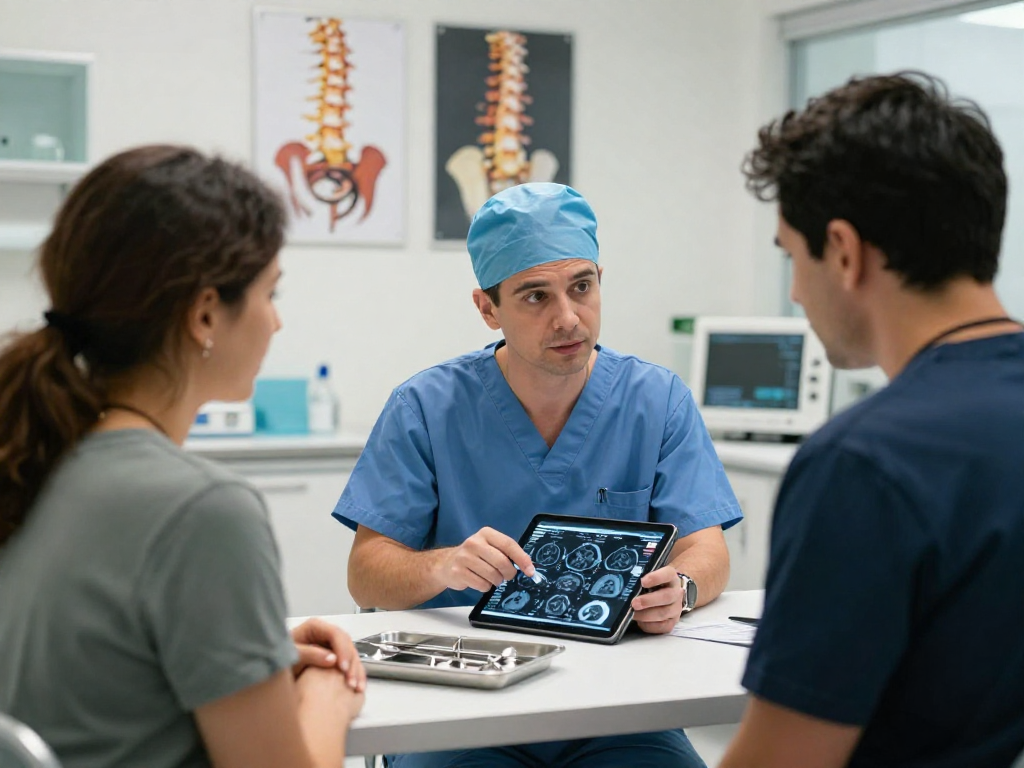
Understanding Bel fıtığı Ameliyatı
Bel fıtığı ameliyatı, an increasingly common surgical intervention for patients experiencing debilitating lower back pain, especially when the pain radiates down the legs. This condition, known medically as lumbar disc herniation, can significantly impact a person’s quality of life. The surgery is designed to relieve pressure on the spinal nerves by removing the protruding disc material that causes pain, numbness, or weakness. Understanding the stages at which this surgery is necessary, as well as the implications for recovery, is critical for patients facing this decision. When exploring options, Bel fıtığı ameliyatı provides comprehensive insights into surgical procedures and outcomes.
What is Bel fıtığı Ameliyatı?
Bel fıtığı ameliyatı refers to surgical procedures conducted to alleviate symptoms caused by herniated discs in the lumbar spine. A herniated disc occurs when the intervertebral disc bulges out and presses against spinal nerves, which can lead to severe pain, weakness, and sensory changes in the lower limbs. There are various surgical techniques available, including traditional open surgery and less invasive approaches such as microdiscectomy and endoscopic surgery. These methods aim to minimize recovery time and improve patient outcomes.
Symptoms Indicating the Need for Surgery
While many patients find relief through conservative treatments such as physical therapy, medications, and lifestyle modifications, there are key symptoms that suggest the need for surgical intervention:
- Persistent Pain: Chronic pain that does not improve with conservative treatment can warrant surgery.
- Nerve Compression: If there is evidence of nerve compression, indicated by symptoms like numbness, tingling, or weakness in the legs.
- Cauda Equina Syndrome: This is a medical emergency characterized by loss of bladder or bowel control, saddle anesthesia, and severe weakness.
- Difficulty Walking: A progressive inability to walk or maintain balance may indicate that surgery is necessary to relieve nerve pressure.
How the Procedure Works
The surgical procedure for bel fıtığı varies depending on the technique used. In traditional open surgery, a larger incision is made to access the affected area. In contrast, minimally invasive techniques involve small incisions and the use of specialized instruments like microscopes or endoscopes to remove herniated disc material. These modern methods result in less tissue damage, reduced postoperative pain, and quicker recovery times.
When is Bel fıtığı Ameliyatı Necessary?
Determining the right time for bel fıtığı ameliyatı involves several considerations, including symptom severity, duration, and the effectiveness of previous treatments. Understanding when to opt for surgical intervention is crucial for long-term health and recovery.
Criteria for Surgical Intervention
Surgeons typically recommend surgery based on specific criteria, including:
- Failure of conservative treatments over a significant duration (usually 6-12 weeks).
- Demonstrated neurological deficits due to nerve root compression.
- Worsening symptoms despite non-surgical management.
- Patient's overall health and ability to undergo surgery.
Assessing Risk Factors
Risk factors such as age, underlying health conditions, and the size of the herniation play significant roles in determining surgical candidacy. In particular, older patients may face higher surgical risks due to comorbidities, while younger patients typically experience better outcomes.
Long-term Consequences of Delaying Surgery
Delaying necessary surgical intervention can lead to chronic pain and further neurological damage. In severe cases, patients may develop permanent weakness or loss of function if the nerve is compressed for an extended period. Therefore, timely evaluation and intervention are essential for optimal recovery.
Recovery Process After Bel fıtığı Ameliyatı
The recovery period following bel fıtığı ameliyatı is critical for restoring function and alleviating pain. Patients can expect a systematic process that involves several stages of healing.
Typical Recovery Timeline
Generally, patients begin feeling better within a few weeks post-surgery. Initial recovery may take anywhere from two to six weeks, depending on the individual and the surgical method used. Here’s a typical recovery timeline:
- Weeks 1-2: Patients are typically encouraged to walk and engage in light activities.
- Weeks 3-6: Physical therapy may begin, focusing on strengthening exercises and flexibility.
- Weeks 6+: Most patients can gradually return to normal activities, though high-impact sports should be avoided initially.
Postoperative Care and Rehabilitation
Postoperative care is crucial for a successful recovery. This includes regular follow-up appointments with the surgeon, adherence to prescribed physical therapy, and monitoring for any signs of complications, such as increased pain or changes in limb function. Patients are often advised on lifestyle modifications to support healing, including proper ergonomics and core strengthening exercises.
Signs of Complications to Watch For
While most surgeries are successful, certain complications can arise, such as:
- Infection at the surgical site.
- Increased pain or neurological symptoms.
- Blood clots.
- Recurrent herniation.
Patients should remain vigilant for these signs and seek immediate medical attention if they occur.
Innovative Techniques in Bel fıtığı Ameliyatı
The field of spinal surgery continues to advance, offering patients a range of innovative techniques with improved outcomes and reduced recovery times.
Mikrocerrahi vs. Traditional Surgery
Mikrocerrahi, or microdiscectomy, represents a shift towards less invasive surgery. Unlike traditional methods, mikrocerrahi involves a small incision and the use of magnification, allowing the surgeon to remove only the affected disc tissue while preserving surrounding structures. This leads to:
- Less postoperative pain.
- Lower risk of complications.
- Faster recovery times.
The Role of Technology in Modern Surgery
Modern surgical techniques utilize advanced technology such as intraoperative imaging and robotic assistance, enhancing precision during procedures. This technology minimizes damage to surrounding tissues and improves surgical outcomes, allowing for a quicker return to normal life for patients.
Future Trends in Surgical Approaches
As research progresses, we expect to see even more refined techniques, including outpatient procedures that allow patients to go home the same day as their surgery. Additionally, developments in biologics and regenerative medicine may play a role in recovery and rehabilitation, reducing the need for invasive procedures altogether.
Expert Insights and Patient Experiences
Gaining insights from both medical professionals and patients helps to frame a comprehensive understanding of bel fıtığı ameliyatı and its implications for recovery and quality of life.
What Patients Wish They Knew Before Surgery
Many patients express a desire for more information about the realities of surgery and recovery. Common concerns include:
- Understanding the timeline for recovery.
- Realistic expectations regarding pain and mobility.
- Importance of adhering to postoperative rehabilitation protocols.
Real-life Recovery Stories
Patient testimonials often highlight the transformational impact of bel fıtığı ameliyatı. Many report significant pain relief and improved mobility, allowing them to return to activities they once enjoyed. These stories serve as powerful motivators for those considering surgery.
Advice from Medical Professionals
Healthcare providers frequently emphasize the importance of early intervention and an individualized approach to treatment. For more information, Bel fıtığı ameliyatı offers valuable insights. They recommend comprehensive evaluations and a thorough discussion of potential risks and benefits before making surgical decisions.