Understanding Tree House Life: Concept and Benefits
The concept of tree house living encapsulates a unique lifestyle amalgamated with nature, creativity, and functionality. It invites individuals to step outside conventional housing norms and embrace an eco-friendly existence high above the ground. With increasing awareness of sustainability, more people are seeking ways to enhance their lifestyle while fostering a deep connection with the environment. Embracing tree house life not only provides an idyllic retreat but also presents numerous benefits that contribute to overall well-being.
What is Tree House Living?
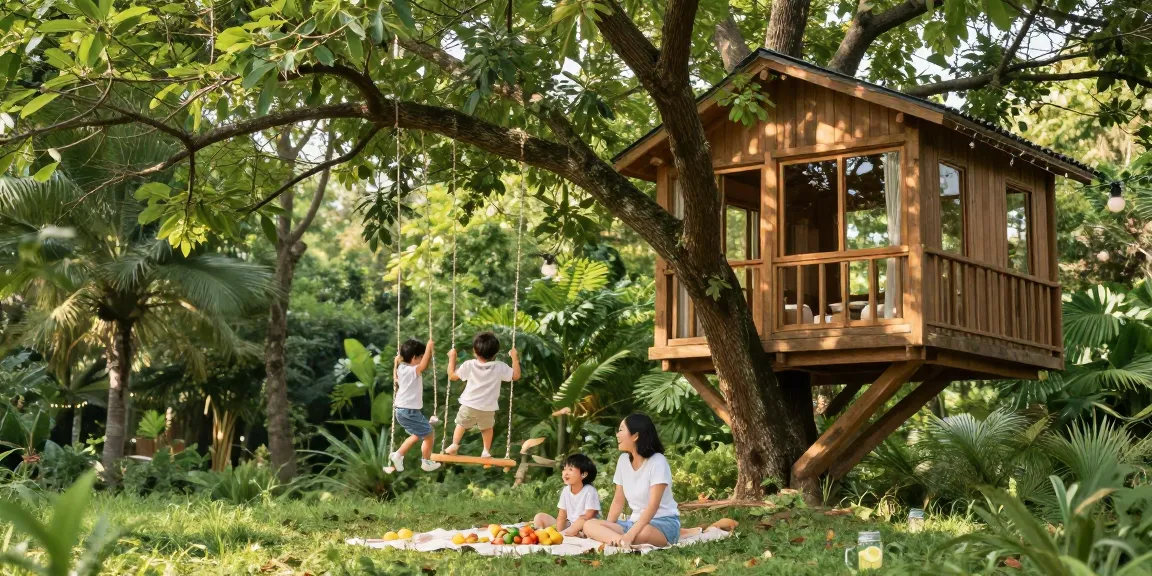
Tree house living refers to the practice of residing in elevated structures built amongst trees. These homes can accommodate a range of functionalities, from recreational spaces to permanent residences. They are designed to blend seamlessly with their natural surroundings, often featuring open layouts and expansive windows that invite the outside in. More than just a whimsical escape, tree houses serve practical purposes, offering a unique dwelling option that redefines living spaces.
Health Benefits of Living Among Trees
Living in proximity to nature has been shown to offer significant health benefits. Research indicates that spending time in green environments can reduce stress, enhance mood, and improve cognitive function. The tranquillity provided by tree houses allows residents to disconnect from urban noise and distractions, promoting relaxation and mental clarity. Furthermore, the physical presence of trees around a tree house can purify the air, leading to improved respiratory health.
Eco-Friendly Aspects of Tree Houses
Tree houses epitomise sustainable living. Often constructed with eco-friendly materials such as reclaimed wood and non-toxic finishes, they reduce the carbon footprint associated with traditional housing. Additionally, strategic placement among trees helps to preserve the existing ecosystem while promoting biodiversity. Incorporating solar panels, rainwater collection systems, and composting toilets further enhances their sustainability, making tree houses a model for eco-conscious architecture.
Design Elements for Your Tree House
Creating a tree house that is both functional and aesthetically pleasing requires thoughtful design. The right combination of location, materials, and features can transform a simple structure into a remarkable living space. To maximise the potential of your tree house, consider the following design elements.
Choosing the Right Location for Your Treehouse
Selecting the perfect site for your tree house is crucial. Look for robust trees that can support the structure safely, ideally those with thick trunks and healthy foliage. Additionally, consider the view and the amount of sunlight the area receives; a well-positioned tree house can provide breathtaking vistas and warmth throughout the day. Other factors include accessibility, privacy, and the impact on the surrounding environment.
Essential Materials for Sustainable Construction
Utilising sustainable materials is key to constructing an eco-friendly tree house. Options such as bamboo, reclaimed timber, and ethically-sourced plywood are excellent choices due to their minimal environmental impact. Moreover, using materials that are resistant to weather conditions can enhance durability, ensuring that your tree house remains a safe haven for years to come. Insulation should also be considered to maintain comfort through various climate conditions.
Innovative Design Features to Incorporate
To elevate the design of your tree house, consider incorporating innovative features that enhance functionality and comfort. Some popular elements include:
- Wrap-around decks: These provide outdoor living space and allow for enjoyment of the surrounding nature.
- Large windows: Maximising views and natural light creates an open, airy atmosphere.
- Multi-level designs: Incorporating lofts or different levels can create distinct areas for different activities, whether for sleeping, working, or relaxing.
Building Your Dream Tree House
Embarking on the journey to create your dream tree house involves careful planning and execution. Understanding the construction process and potential challenges is essential for ensuring a successful build.
Step-by-Step Guide to Construction
The construction of a tree house can be broken down into several key stages:
- Planning: Start with sketches and blueprints, considering the design and materials.
- Site Preparation: Clear the area around the tree for safety and accessibility.
- Building the Base: Construct a sturdy platform that will serve as the foundation.
- Framing: Build the walls and roof frame according to your design.
- Finishing Touches: Add insulation, windows, and any decorative elements to complete your tree house.
Common Challenges and How to Overcome Them
Building a tree house comes with its own set of challenges, including working at heights and ensuring stability. To tackle these issues:
- Seek Expert Help: Consult professionals for design advice or structural integrity assessments.
- Prioritise Safety: Use proper safety equipment and follow best practices for construction.
- Adapt Designs: Remain flexible with your plans, allowing for adjustments based on the tree's growth and condition.
Tools You’ll Need for Building
Having the right tools is essential for constructing your tree house successfully. Key tools include:
- Power drill
- Circular saw
- Ladder or scaffolding
- Measuring tape
- Level
Enhancing Your Tree House Lifestyle
Once your tree house is constructed, the next step is to create a living environment that is both beautiful and functional. Here are some tips for enhancing your tree house lifestyle.
Decorating Your Tree House: Tips and Tricks
When it comes to decorating, aim for a style that reflects the natural surroundings. Use earthy tones and natural materials to create a cohesive, calming atmosphere. Consider adding indoor plants to enhance air quality and bring a touch of the outdoors inside. Additionally, utilising multi-functional furniture can save space and increase comfort.
Creating a Functional Outdoor Space
Outdoor spaces are essential for enjoying the beauty around your tree house. Consider adding:
- Seating areas: Comfortable chairs or hammocks for relaxation.
- Fire pits: For warmth and ambiance during cooler evenings.
- Garden beds: To grow your own herbs or vegetables, further connecting living spaces with nature.
Integrating Smart Technology for Comfort
Integrating technology can enhance your tree house experience, making it more comfortable and efficient. Simple automation systems can control lighting and heating, while smart security solutions ensure safety. Adding wireless internet connectivity can also allow for remote work or streaming entertainment, blending modern convenience with rustic charm.
The Future of Tree House Living
As more people gravitate towards sustainable living, the future of tree house living looks promising. Anticipated trends indicate a growing interest in eco-conscious designs and community-centric living spaces.
Trends in Eco-Conscious Architecture for 2026
By 2026, we expect to see an influx of innovative eco-friendly building techniques. These may include:
- Green roofs: Incorporating vegetation on rooftops to enhance insulation.
- Inclusive designs: Creating spaces that are accessible to individuals with disabilities.
- Energy-efficient systems: Utilising solar energy and greywater recycling for sustainable living.
Community and Connection in Tree House Living
Adventurers seeking tree house living often find community among fellow enthusiasts. Upcoming tree house retreats and eco-village projects are on the rise, fostering connections that go beyond mere accommodation. Establishing communal spaces encourages interaction, sharing skills, and promoting collaborative sustainable practices.
How to Market Your Tree House Rentals Online
If you plan to rent out your tree house, effective online marketing is key. Focus on high-quality photographs that showcase the beauty and uniqueness of your property. Leverage social media platforms and specialised rental sites to reach potential guests. Additionally, positive reviews and testimonials can significantly enhance credibility and attract more visitors.
How long do treehouses last?
The lifespan of a tree house can vary significantly depending on the materials used and maintenance practices. With proper care, tree houses can last for decades.
Can you live in a treehouse full time?
Yes, many individuals successfully live year-round in tree houses, especially if they are designed with comfort and durability in mind.
What materials are best for treehouses?
Materials such as treated wood, metal supports, and eco-friendly composites are ideal for tree house construction, providing stability and longevity.
Are treehouses eco-friendly?
Yes, when built with sustainable materials and practices, tree houses can be highly eco-friendly, offering a minimal impact on the environment.
What are the costs involved in building a treehouse?
The cost of building a tree house can range from a few hundred to several thousand pounds, depending on size, materials, and complexity of design.