Understanding Wood-Boring Pests and Their Impact
Wood-boring pests, such as beetles and other insects, can devastate wooden structures and products, compromising their integrity and aesthetic value. Identifying these pests is crucial for maintaining the longevity of wooden items, be they furniture, structural elements, or decorative pieces. Shashel provides effective solutions for pest control through advanced technology, helping to safeguard your investments in wood.
Identifying Common Wood-Boring Insects
Among the most common wood-boring insects are powderpost beetles, old house borers, and the infamous emerald ash borer. Recognizing these pests early can save significant time and money in repairs. Signs of infestation include small holes in the wood surface, fine powdery frass, and increased activity during warmer months.
Understanding Their Lifecycle and Habits
Wood-boring insects typically lay their eggs in cracks of the wood. When the larvae hatch, they begin to tunnel into the wood, feeding on the cellulose. This process not only damages the wood but also creates pathways for moisture and further decay. By understanding their lifecycle—egg, larva, pupa, and adult—effective strategies for prevention and elimination can be implemented.
Assessing Damage to Wood Structures
To assess damage caused by wood-boring insects, visually inspect for signs of tunneling, frass, and compromised structural integrity. In severe cases, you may require the expertise of a professional to evaluate the extent of damage and recommend appropriate treatment options, such as those offered by Shashel.
The Revolutionary Technology Behind Shashel
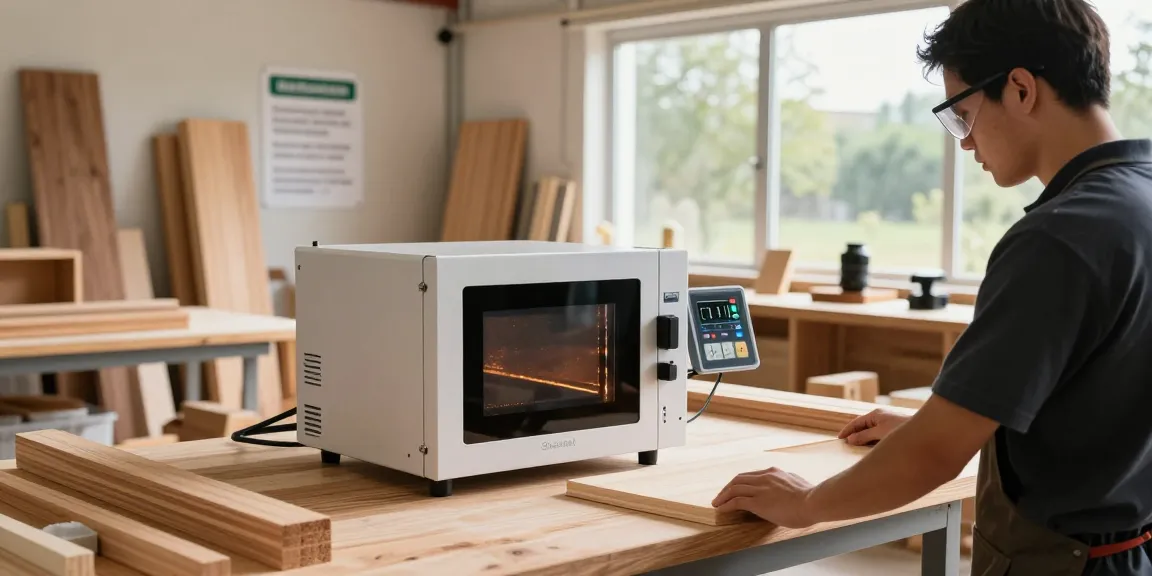
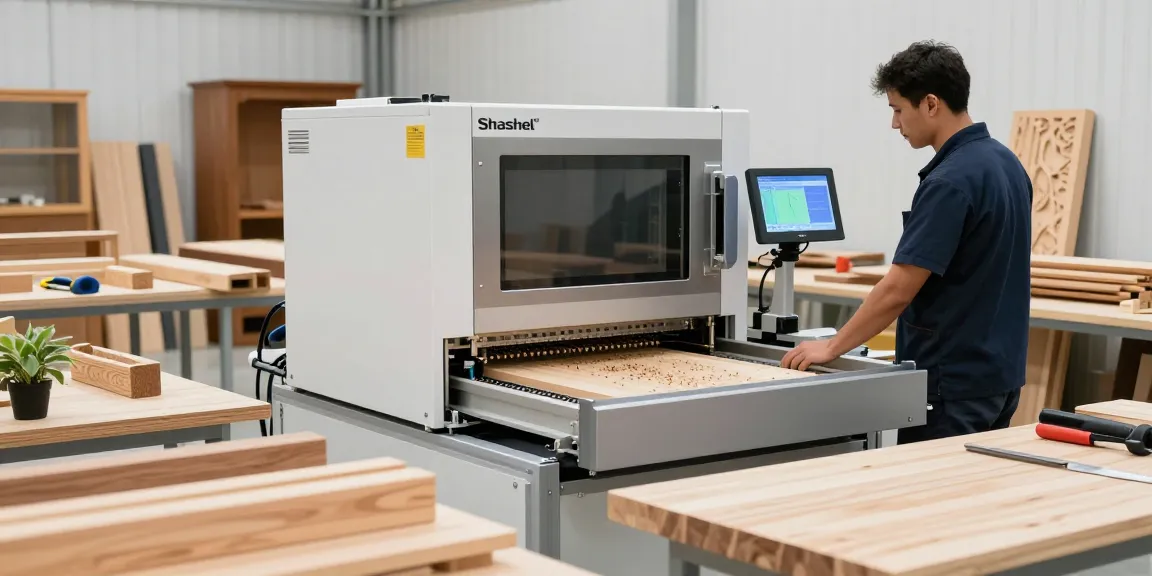
The Shashel equipment utilizes cutting-edge microwave technology designed specifically for pest control. This innovative approach not only ensures quick results but also minimizes the risk of damage to the wood itself compared to traditional methods.
How Shashel Uses Microwave Energy for Pest Control
The principle behind Shashel's effectiveness lies in its ability to generate microwave energy that penetrates deeply into wood. This energy disrupts the cells of wood-boring pests, leading to rapid dehydration and death. Importantly, this method is non-invasive to the wood structure, preserving its quality while ensuring a thorough treatment process.
Benefits of Microwave Technology Over Conventional Methods
Traditional pest control methods often involve chemical treatments that can be harmful to the environment and pose health risks. In contrast, Shashel's microwave technology offers a non-toxic alternative that eliminates pests without harmful residues. Additionally, it provides a more comprehensive solution, reaching pests hidden deep within the wood.
Safety Protocols and Environmental Considerations
Safety is paramount when using any pest control technology. Shashel adheres to strict safety protocols to protect users and the environment. The equipment is designed to operate within safe limits of microwave exposure, ensuring that both personnel and surrounding areas remain unaffected. Furthermore, by foregoing chemicals, Shashel contributes to a more sustainable pest management practice.
Effective Application Techniques for Shashel Equipment
To achieve optimal results, utilizing Shashel equipment requires a clear understanding of its operation and best practices in application.
Step-by-Step Guide to Using Shashel® Equipment
1. Preparation: Ensure the area around the wood items is clear and accessible. Remove any coverings or coverings that could obstruct microwave penetration.
2. Calibration: Set the Shashel equipment according to the wood type and thickness. Ensure all safety measures are in place.
3. Application: Direct the microwave energy towards the affected wood, ensuring even coverage for adequate pest elimination.
4. Monitoring: Observe the treatment process through the integrated monitoring system, adjusting settings as necessary based on real-time feedback.
Common Challenges and Solutions
Some users may experience challenges such as uneven heating or incomplete pest eradication. To address these, it's essential to ensure proper calibration of the equipment and to follow the recommended treatment times based on the specific wood type. Additionally, conducting a pre-treatment assessment can help identify the most affected areas that need focused attention.
Real-World Case Studies of Success
Numerous success stories showcase the effectiveness of Shashel technology. For instance, a historic building in Italy faced significant risks due to wood-boring insects. After applying Shashel’s microwave treatment, the infestation was eradicated without damaging the integrity of the original wood. These real-world applications exemplify the efficiency of the system.
Maintaining Quality in Wood Products after Treatment
Once the pests have been eliminated, maintaining the quality and integrity of the treated wood is crucial for its longevity.
Post-Treatment Inspection and Care
After using Shashel equipment, it is essential to conduct a thorough inspection to confirm the absence of pest activity. Regular checks and cleanings should be performed to prevent reinfestation.
Restoration Techniques for Affected Wood Items
If the wood has sustained damage prior to treatment, restoration techniques might be necessary. This can include filling holes, sanding surfaces, and applying protective finishes to enhance durability and appearance.
Best Practices for Long-Term Preservation
To ensure long-term preservation of wood, consider the following best practices:
- Store wood products in a controlled environment with optimal humidity levels.
- Regularly check for signs of new infestations.
- Utilize preventive treatments as a part of routine maintenance.
Future Trends in Pest Control Technology
The field of pest control is evolving rapidly, with new technologies emerging to improve efficiency and efficacy. Shashel is at the forefront of these innovations.
Emerging Innovations in Pest Management for 2026
As we look toward 2026, advancements such as enhanced microwave technology, artificial intelligence for pest monitoring, and integrated pest management systems are anticipated to revolutionize how we approach pest control.
Predicted Challenges and Opportunities
While new technologies promise improved results, challenges such as regulatory hurdles and the need for public education on new methods will need to be addressed. Companies like Shashel are well-positioned to meet these challenges through innovative solutions and outreach initiatives.
The Evolving Role of Eco-Friendly Practices
With growing awareness of environmental issues, the demand for eco-friendly pest control solutions is increasing. Shashel’s microwave technology meets this demand by providing a solution that is both effective and environmentally considerate.
What the Future Looks Like for Shashel
Looking ahead, Shashel aims to continue innovation in pest control technologies and expand its product line to meet the diverse needs of consumers. With a commitment to sustainability and effectiveness, Shashel is poised for a bright future in pest management.
What is the best way to use Shashel equipment?
The best way to use Shashel equipment involves following the step-by-step guide provided by the manufacturer, ensuring proper calibration, and conducting thorough monitoring during the treatment process.
How long does the treatment process take with Shashel?
The duration of the treatment process varies based on the type of wood and the extent of infestation. Generally, treatments can be completed within minutes, making it a highly efficient option.
Are there any safety concerns when using microwave technology?
With proper use of Shashel equipment and adherence to established safety protocols, risks are minimized. The technology is designed to operate within safe limits, ensuring both user and environmental safety.
Can Shashel equipment be used on all types of wood?
Shashel equipment is suitable for a wide range of wood types, but it is essential to refer to the manufacturer's guidelines to ensure optimal results across different species.
What maintenance is required for Shashel systems?
Minimal maintenance is required for Shashel systems; however, regular inspections and cleanings will ensure long-lasting performance and reliability.